Pepco: Plan Kits, Food Safety and Generator Distance Before Storms Cut Power
TL;DR: Build a family kit, protect home systems, and place generators outdoors at least 20 feet from the house before severe weather causes an outage.
September is National Preparedness Month, and Pepco is encouraging customers to take simple steps now to stay safe, informed and connected before storms and emergencies happen, according to reporting in How to prepare for severe weather and power outages - The Washington Informer. The awareness campaign is sponsored by the Federal Emergency Management Agency (FEMA) and highlights having an emergency plan, staying informed and being prepared for both natural and man-made disasters. Pepco provides resources and information to help customers stay safe before, during, and after severe weather events. The utility also reports it continues to strengthen and modernize the local energy grid so customers experience fewer interruptions and get power back faster when outages do happen.
Outages today occur about 51 percent less often than they did a decade ago, and Pepco has prevented nearly 112,000 outages so far this year, as described in How to prepare for severe weather and power outages - The Washington Informer. For customers, that means fewer spoiled groceries, fewer disrupted work days and fewer nights without heat or air conditioning. Severe weather can still cause extended outages, and having a plan in place makes a real difference for a household.
Why September Action Matters Before Severe Weather
National Preparedness Month in September is presented as a reminder to take simple steps now to protect household routines before severe weather and other emergencies happen. Electricity powers everyday moments families count on, including a warm dinner, a load of laundry before school and a comfortable home.
Officials in Idaho issued a similar September message, as reported in Are you prepared for a power outage? Idaho Power wants Idahoans ready. That report describes September as a time to review emergency plans and make sure a household is ready when disaster knocks out power. Idaho Power officials said smaller, localized outages can be just as disruptive as major emergencies.
Power outages can happen for a variety of reasons, including severe weather, wildfires, vehicle accidents, or damage to electrical equipment. Emergencies often happen without warning, and officials encourage residents to prepare before an outage occurs. Russ Weedon, an education advisor with Idaho Power, said it is never too soon or too late to think about preparing for the inevitability.
Grid Work Helps, But Households Still Need A Plan
Pepco reports grid investments are making a difference by reducing outage frequency and speeding restoration. Outages occur about 51 percent less often than a decade ago. Nearly 112,000 outages have been prevented so far this year.
Business guidance published in Power Outage Preparedness: What Businesses and Families Can Do Before an Emergency states the basic principle that preparation needs to happen before the power goes out. Outages can accompany hurricanes, severe thunderstorms, flooding, winter weather and other emergencies, and they can affect businesses and households very differently.
The National Weather Service identifies building and maintaining an emergency supply kit as one of its key preparedness steps, according to that same business-and-family preparedness report. Households should have necessary food and supplies available until power returns or assistance arrives.
Build A Family Emergency Kit First
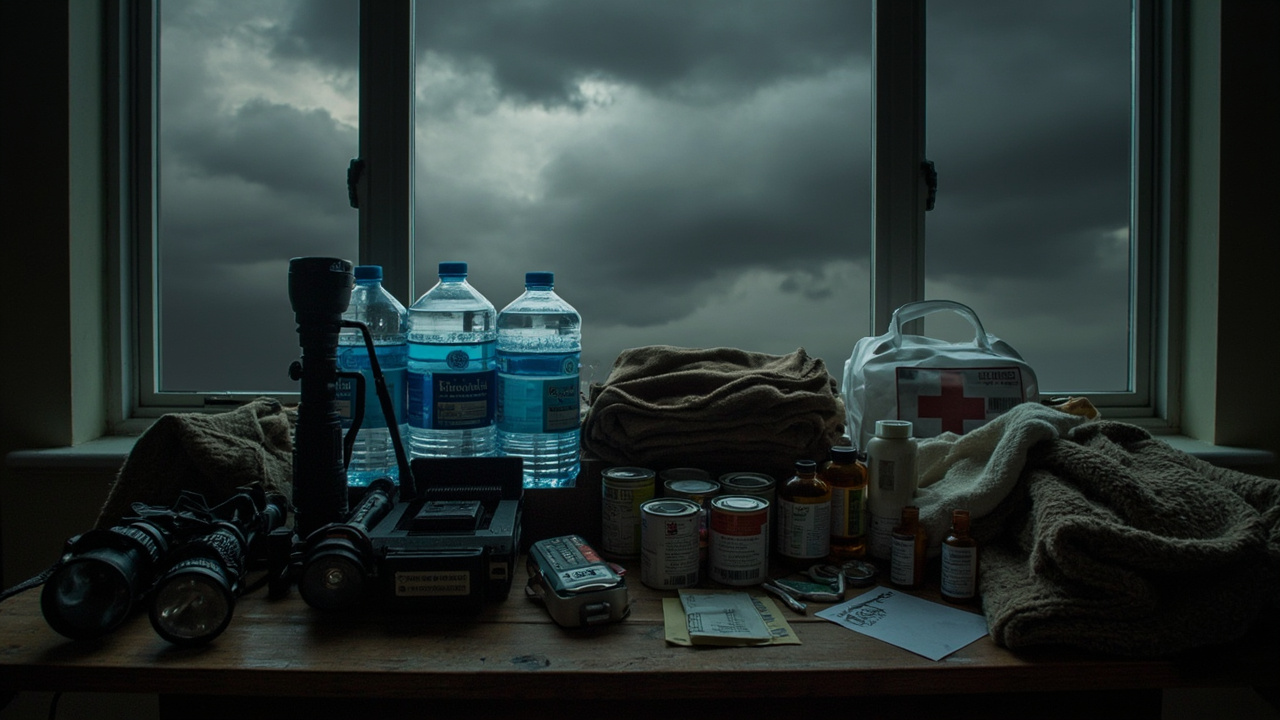
Pepco recommends customers build a family emergency kit with essential supplies now. Flashlights and fresh batteries are listed first, with direction to use flashlights instead of candles to reduce fire risk.
A battery-operated radio, a fully charged cellphone with a car charger, and a corded telephone are also recommended. One gallon of bottled water per person per day is recommended, along with shelf-stable food and pet food. Cash, first aid supplies, blankets for colder weather, and refills of important medications are included in the recommended kit. Customers are also advised to keep a vehicle ready by maintaining a full gas tank or a fully charged electric vehicle.
Idaho Power offers a closely matching outage-kit list. Items to include are bottled water, nonperishable and canned food, flashlights, extra batteries, blankets, portable phone chargers or power banks, and prescription medications. Having essentials readily available can help reduce stress during an unexpected outage.
Weedon said people get a little stressed when power goes out, asking how long it will be out and what caused the outage. He said simple things like a bottle of water and a flashlight with batteries can make a difference for stress levels. He also said people do not always prepare for an outage that could happen in their neighborhood or small town.
Water, Food And Medical Supplies To Store
One gallon of bottled water per person per day is the household water measure identified by Pepco. Shelf-stable food and pet food are part of the same kit recommendation. Nonperishable and canned food are also identified in the Idaho Power guidance.
Ready.gov preparedness resources provide additional guidance for creating and maintaining an emergency plan and supplies, according to Power Outage Preparedness: What Businesses and Families Can Do Before an Emergency. Households are advised to follow current government recommendations when determining what belongs in a family emergency kit.
Prescription planning appears in both utility messages. Pepco lists refills of important medications. Idaho Power lists prescription medications and portable phone chargers or power banks among kit items.
Prepare Your Home Systems For An Extended Outage
Pepco recommends several home steps for an extended outage. Customers should have a plan to keep refrigerated medications cold during an extended outage. Electronics and appliances should be protected by plugging them into surge protectors. Medical equipment should be fully charged with backup power options available.
Refrigerator and freezer doors should be kept closed as much as possible to help preserve food during an outage. For perishable foods after an outage, the rule is stated as: “When in doubt, throw it out.” Customers are directed to see the U.S. Department of Agriculture’s guidance on food safety for evaluating perishable foods.
Preparedness goes beyond emergency supplies, according to Idaho Power guidance. The utility also recommends creating an evacuation plan, keeping important documents and necessities in an easily accessible location, and learning how to manually open a garage door in case of an outage.
Generator Safety Starts With Placement
Generators must be used properly to prevent carbon monoxide poisoning. Pepco advises never to use them inside a home or in an attached garage. Generators should be installed outside, in well-ventilated, dry areas, at least 20 feet from a house. They should point away from a home’s air intakes.
Federal safety guidance carries the same warning. EPA advises homeowners to determine before an emergency where a generator will be operated, as summarized in Power Outage Preparedness: What Businesses and Families Can Do Before an Emergency. Generators should always be outdoors and well away from doors, windows and vents. EPA warns never to operate one inside a home, basement, garage, crawlspace, shed, tent or other enclosed area because generator exhaust contains carbon monoxide, which can build up quickly and can be deadly.
For those looking for additional backup during extended outages, Idaho Power notes that investing in a generator can provide another source of electricity when the grid is unavailable. Generator safety is therefore described as part of preparedness, not something to figure out after the power fails.
Emergency Contacts, Lines And Crew Information
Pepco advises customers to keep a list of emergency phone numbers, including Pepco’s outage line at 1-877-Pepco-62. Customers are reminded to always assume power lines are live and never touch a power line.
Businesses need their own version of a preparedness toolkit, according to Power Outage Preparedness: What Businesses and Families Can Do Before an Emergency. Suggested contents include current preventative maintenance records, generator information, critical equipment documentation, emergency contacts, site information, internal escalation procedures, critical-system priorities and backup-power procedures. The report stresses that a team must know where this information is stored.
For families, the parallel habit is to know risks, have a plan, prepare the right resources, maintain critical equipment and know who to contact. Those steps can make an enormous difference when the unexpected happens, according to the same preparedness report.
What To Do Before The Next Storm Watch
Start with alerts, kits and home checks before severe weather arrives. September’s National Preparedness Month message centers on having an emergency plan, staying informed and being prepared for natural and man-made disasters. FEMA sponsors the awareness campaign highlighted by Pepco.
Stock flashlights and fresh batteries, a battery-operated radio, a fully charged cellphone with a car charger, a corded telephone, water at one gallon per person per day, shelf-stable food, pet food, cash, first aid supplies, blankets for colder weather and medication refills. Keep a vehicle with a full gas tank or a fully charged electric vehicle.
Protect electronics with surge protectors, charge medical equipment and arrange backup power options, plan cold storage for refrigerated medications, and keep refrigerator and freezer doors closed during the outage. Apply “When in doubt, throw it out” to perishables and consult U.S. Department of Agriculture guidance. Place any generator outdoors in a well-ventilated, dry area at least 20 feet from the house, pointed away from air intakes, and never in a home or attached garage. Keep Pepco’s outage line, 1-877-Pepco-62, with other emergency numbers, assume downed lines are live, and review evacuation routes, document storage and manual garage-door operation before power fails.