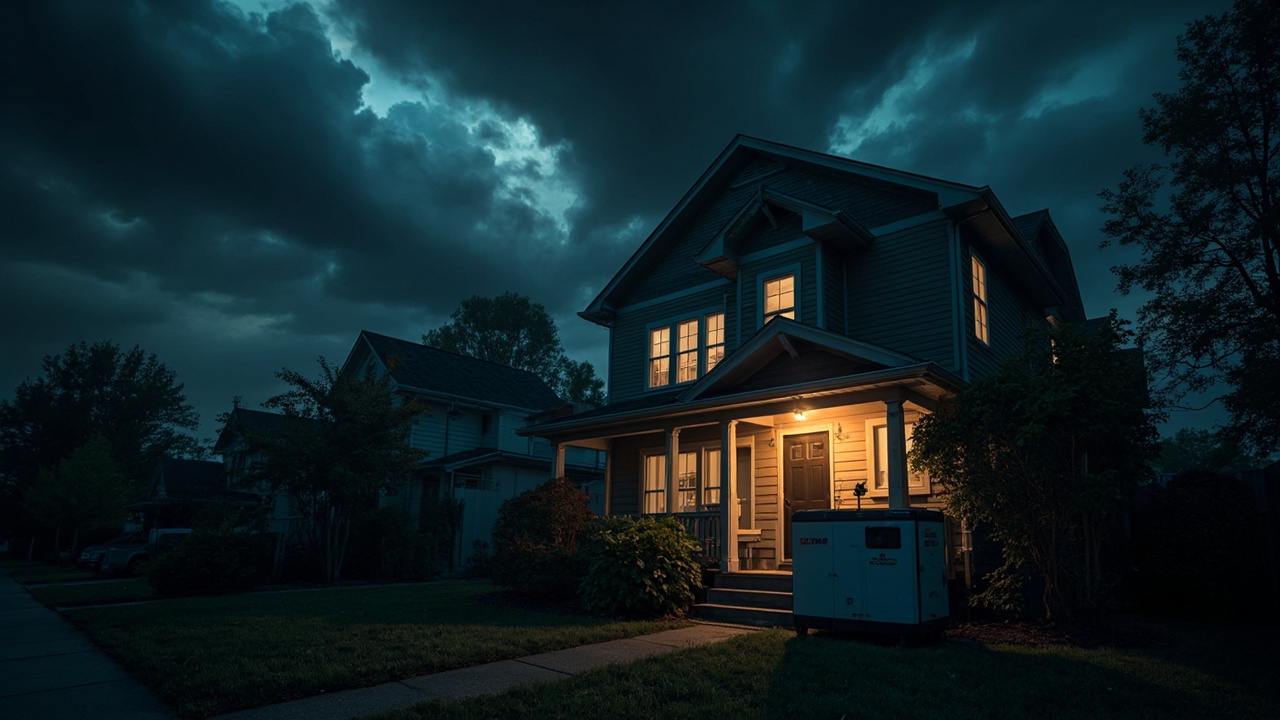
TL;DR: Two-thirds of U.S. homeowners lost power in 2026, averaging three outages and 5.5 hours without electricity, yet 41% still own no backup power at all.
A nationwide poll released September 17, 2026, shows why blackout planning has moved from seasonal chore to year-round readiness task. According to Talker Research, two-thirds of American homeowners had already experienced a power outage in 2026, and nearly three-quarters of that group worried another outage would hit within the next year.
The same survey found nearly three in five respondents — 59% — were concerned outages would become more common where they live. That result was released to coincide with National Preparedness Month, according to the companion announcement from Sunrun Inc. (RUN), which commissioned the poll.
For preparedness-minded households, the message is blunt: outages are frequent, recovery is slow, medical and food risks are high, and backup ownership lags far behind worry.
How many homes went dark in 2026?
The Talker Research online poll covered 2,000 American homeowners with internet access, surveyed August 18-24, 2026.
Its headline result was scale. Two-thirds reported at least one outage during 2026. Among households that lost power, the average was three separate outages so far that year.
The most recent outage for those households lasted an average of 5.5 hours. Some respondents reported going without power for days, showing how an average can hide far longer tail events that drive the need for extended food, heat, cooling and communications planning.
Expectations point toward more disruption, not less. In the Sunrun Inc. announcement, 65% of homeowners said outages would happen at the same rate or more often in the future, compared with only 16% who expected them to become less frequent.
Nearly half of all homeowners — 47% — said they had lived through what the questionnaire called a power outage reality check, a moment that showed them they were not close to prepared.
What homeowners blame for unreliable power
When asked what posed the largest threat to power reliability in their area, respondents pointed overwhelmingly to severe storms as the leading danger.
When severe storms were grouped with winter weather and extreme heat, weather-linked answers accounted for more than half of all responses. That pattern matters for gear planning, because storm, cold and heat events each stress homes in different ways — loss of cooling in summer, loss of heating in winter, and wind or ice damage to lines in storm season.
Power demand is the second anxiety. Only 38% said they were confident their local grid could reliably handle higher electricity demand from data centers.
At the same time, 75% said they were concerned that the growing number of data centers in the United States could contribute to future outages. The poll did not determine whether data centers cause outages, only that homeowners connect load growth with reliability risk.
What actually went wrong during outages
The poll asked people who had experienced an outage what disruptions they faced, and comfort systems topped the list.
Among those with outage experience, 57% lost heating or cooling, 48% dealt with food spoilage, and 44% lost internet or cell service. Those three outcomes define the core prepper checklist: maintain safe indoor temperature, protect perishable food and medication, and keep a way to get information and call for help.
Displacement was common. Nearly one-third — 32% — said they had sought shelter at the home of a family member, friend or neighbor during an outage because that other household still had grid electricity or a backup source.
That finding highlights mutual-aid planning. Knowing in advance which nearby home has backup, who can take in children, older adults or pets, and what route to use when traffic lights and fuel stations are down can matter as much as owning hardware.
Why health needs raise the stakes
For more than one in four families, electricity loss was a medical issue, not just a comfort issue.
The survey found 28% of homeowners said someone in their household depends on electricity for a health-related need. That subset carries higher consequences from even a 5.5-hour interruption, and far higher risk during multi-day events.
Among those health-dependent households, 39% cited refrigerated prescription medications such as insulin, 36% cited CPAP machines, 30% cited oxygen equipment, and 29% cited medical monitoring devices such as glucose monitors.
Sunrun Chief Executive Officer Mary Powell said an outage can quickly move beyond inconvenience when it touches daily essentials, from keeping food and medications cold to holding a safe temperature at home. Her comment, reported by Talker Research, framed backup as a way to keep critical parts of a home operating when the grid fails.
Households with powered medical devices should talk with clinicians and device makers about emergency runtime, manual alternatives and transport plans. Keep paper copies of prescriptions, dosing schedules and provider contacts where they can be found without a phone or internet connection.
The readiness gap: high worry, low backup
Despite broad concern, ownership of emergency power remains thin.
Homeowners on average rated household preparedness for an outage at 6.6 out of 10. Yet 41% said they currently owned none of the emergency power options named in the survey: a portable generator, portable power station, home battery backup, whole-home generator, or solar panels paired with battery storage.
That gap between confidence and equipment is familiar to emergency planners. A mid-range self-score often reflects flashlights, phone banks and pantry food, not the ability to run heat, cooling, refrigeration or medical gear for hours.
The poll suggests experience drives action. Of those who lost power at home, 48% said they made a change to get ready for the next blackout.
When all respondents were asked which improvement would make them feel most prepared for the next outage, 47% chose a backup power source. That answer led the next closest option by 18 points, according to both the Talker Research report and the Sunrun Inc. announcement.
Powell said Americans are concerned about availability and reliability of power and are looking for peace of mind from home backup when the grid goes down. She added that battery storage paired with solar can help keep critical loads running during an outage, a statement about product capability rather than a finding from the survey itself.
What to do before the next outage
Start with the three failures homeowners reported most: temperature control, food loss and communications loss.
Map how your home would handle 5.5 hours without power, then how it would handle several days. Identify which rooms hold heat or stay coolest, where vulnerable people and pets would stay, and how you would learn about restoration times if mobile networks and home internet drop.
Protect cold storage in advance. Keep freezers fuller to hold temperature longer, know where to obtain ice, and plan when to discard perishables if you cannot verify safe temperatures. Households that refrigerate medications should have a clinician-approved storage and transport plan that does not rely on grid power.
Build redundant communications. A battery or hand-crank radio, written contact lists, a car charger and a small power bank for phones cover the 44% problem — losing internet or cell access — at low cost. Agree on an out-of-area check-in contact in case local circuits are congested.
Match backup power to critical loads. Portable power stations suit phones, lights, radios and some medical electronics. Portable or whole-home generators and installed battery systems can support larger loads such as refrigeration, well pumps, furnaces and air conditioning, but each option brings fuel, ventilation, noise, maintenance and cost tradeoffs. Size any system to the medical, heating, cooling and food-storage loads you identified, and test it before storm season.
Finally, formalize the neighbor plan that 32% of respondents already used informally. Ask trusted nearby households about their backup capability, exchange keys or access instructions where appropriate, and document who can offer heat, cooling, refrigeration or device charging during an extended event.
Survey details and limits
Talker Research said it surveyed 2,000 homeowners with internet access online between August 18 and August 24, 2026, on behalf of Sunrun. Full question wording and methodology notes were published alongside the September 17 release through the firm's transparency pages.
The results describe homeowner perceptions and self-reported experiences, not utility reliability records. They show how Americans view outage risk from storms, seasonal extremes and rising electricity demand, and how many still lack the backup resources they say would make them feel prepared.