TL;DR: FEMA's 2024 National Household Survey found awareness was high but complete readiness was uneven, with emergency supplies at 67% for adults ages 18-59 and 72% for adults age 60+, emergency plans at 58% and 52%, and known evacuation routes at 49% and 39%.
FEMA 2024 snapshot shows awareness ahead of action
According to Family Emergency Preparedness Statistics: Plans, Supplies, and Readiness | crisissurvivortips.com, which summarizes FEMA's 2024 National Household Survey on Disaster Preparedness, 81% of adults ages 18-59 were aware of preparedness information, compared with 71% of adults age 60+. The same summary reports disaster experience at 49% for adults ages 18-59 and 36% for adults age 60+. Risk perception was reported at 38% for adults ages 18-59 and 25% for adults age 60+. Preparedness efficacy, described as confidence in being prepared, was reported at 34% for adults ages 18-59 and 26% for adults age 60+. The figures describe reported preparedness among U.S. adults in the survey's 2024 measurement period. The figures are percentages for the named group, not forecasts. Awareness was common, but fewer adults reported a complete emergency plan, known evacuation routes, or participation in a drill.
How long households report being prepared
Among adults ages 18-59, 15% said they had been prepared for less than a year, while 22% said they had been prepared for more than a year. Among adults age 60+, those figures were 14% for less than a year and 42% for more than a year. The longer-duration share was higher among adults age 60+ than among adults ages 18-59. The shorter-duration shares were close between the two age groups. The duration figures describe self-reported duration of preparedness. They do not forecast future readiness.
Intentions among adults who were not prepared
Among adults ages 18-59 who were not prepared, 13% said they were not prepared and did not intend to prepare in the next year. In the same age group, 22% intended to start preparing in the next year, and 27% intended to get prepared within six months. Among adults age 60+ who were not prepared, 12% said they did not intend to prepare in the next year. In that older group, 13% intended to start preparing in the next year, and 20% intended to get prepared within six months. The six-month intention share was higher for adults ages 18-59 than for adults age 60+. The next-year intention share was also higher for the younger group.
Supplies, alerts and insurance by age
Sixty-seven percent of adults ages 18-59 had emergency supplies set aside, compared with 72% of adults age 60+. Sixty-nine percent of adults ages 18-59 were signed up for alerts and warnings, compared with 68% of adults age 60+. Sixty-six percent of adults ages 18-59 had homeowners or renters insurance, compared with 88% of adults age 60+. Insurance showed the largest age-group difference among those three household actions. Supplies showed a five-point higher share among older adults. Alert sign-up shares were within one point between age groups.
Women and men report different action levels
Awareness of preparedness information was 76% among women and 80% among men. Disaster experience was 43% among women and 46% among men. Disaster risk perception was 34% for both groups. Preparedness efficacy was 31% among women and 32% among men. Twelve percent of women said they were not prepared and did not intend to prepare in the next year, compared with 14% of men. Twenty-three percent of women intended to start preparing in the next year, compared with 17% of men. For a six-month goal, the figures were 27% for women and 23% for men. Fourteen percent of women said they had been prepared for less than a year, while 25% said they had been prepared for more than a year. Among men, the figures were 15% for less than a year and 31% for more than a year.
Nine core actions compared by sex
Alerts and warnings were reported by 69% of women and 68% of men. Homeowners or renters insurance was reported by 69% of women and 76% of men. Emergency supplies set aside were reported by 64% of women and 73% of men. Safeguarded important documents were reported by 62% of women and 72% of men. A plan to contact family members was reported by 59% of women and 67% of men. Money set aside for an emergency was reported by 57% of women and 68% of men. An emergency plan was reported by 52% of women and 61% of men. Known evacuation routes were reported by 40% of women and 52% of men. Participation in an emergency drill was reported by 17% of women and 25% of men. The drill share was the lowest of the nine actions for both groups. The alert share was the highest for women, while insurance was the highest for men.
Working-age adults lead plans and drills
Among adults ages 18-59, 58% had an emergency plan, 65% had a plan to contact family members, and 49% knew their evacuation routes. Among adults age 60+, 52% had an emergency plan, 57% had a family-contact plan, and 39% knew their evacuation routes. Adults ages 18-59 were more likely to report drills and neighbor communication. Twenty-seven percent of adults ages 18-59 participated in an emergency drill, compared with 7% of adults age 60+. Forty-seven percent of adults ages 18-59 had a plan to communicate with neighbors, compared with 38% of adults age 60+. Volunteering to help the community prepare was reported by 20% of adults ages 18-59 and 4% of adults age 60+. The drill gap was 20 points between the age groups. The volunteering gap was 16 points.
Older adults lead supplies, documents and emergency money
Emergency supplies were set aside by 72% of adults age 60+, compared with 67% of adults ages 18-59. Safeguarding important documents was reported by 73% of adults age 60+ and 64% of adults ages 18-59. Money set aside for an emergency was reported by 73% of older adults and 58% of working-age adults. Home improvements to mitigate property damage were reported by 52% of older adults and 61% of working-age adults. The money reserve showed a 15-point higher share among older adults. Document protection showed a nine-point higher share among older adults. Home improvement was the one household-protection category in this group with a higher share among working-age adults.
Home protection and neighbor coordination
Fifty-four percent of women and 62% of men had made home improvements to mitigate property damage. Forty percent of women and 48% of men had a plan to communicate with neighbors. Community volunteering was reported by 12% of women and 19% of men. The neighbor-communication shares were lower than family-contact shares for both women and men. Family-contact plans were reported by 59% of women and 67% of men. Neighbor plans trailed those figures by 19 points for both groups. Home-improvement shares exceeded neighbor-plan shares for both groups.
Homeowners compared with renters
Awareness of preparedness information was 79% among homeowners and renters alike. Disaster experience was reported by 44% of homeowners and 46% of renters. Risk perception was 32% among homeowners and 38% among renters. Preparedness efficacy was 32% among homeowners and 31% among renters. Eleven percent of homeowners said they were not prepared and did not intend to prepare in the next year, compared with 16% of renters. Seventeen percent of homeowners intended to start preparing in the next year, compared with 27% of renters. Renters reported higher risk perception and higher next-year intention than homeowners. Homeowners and renters reported nearly identical efficacy.
New Zealand survey adds 2026 household-plan context
According to When disaster strikes, will your household have a plan?, New Zealanders' emergency preparedness was at a five-year high, but more than half had done nothing to prepare for an emergency in the past year. The report is based on the National Emergency Management Agency's 2026 annual Emergency Preparedness Survey. Nearly all survey respondents, 89%, said they believed it was important for their household to be self-sufficient for several days in a large emergency. Less than half had taken steps in the past year to get prepared. Only 40% had regular discussions about emergency preparation with other people in their household. Cost was cited as the biggest barrier preventing people from preparing. The agency message was summarized as plan now, shop later, because sitting down and making a plan is completely free. NEMA Director General Dave Gawn said emergency services would be occupied helping those in immediate danger, leaving households potentially on their own for the first hours or days.
What the numbers mean for family kits
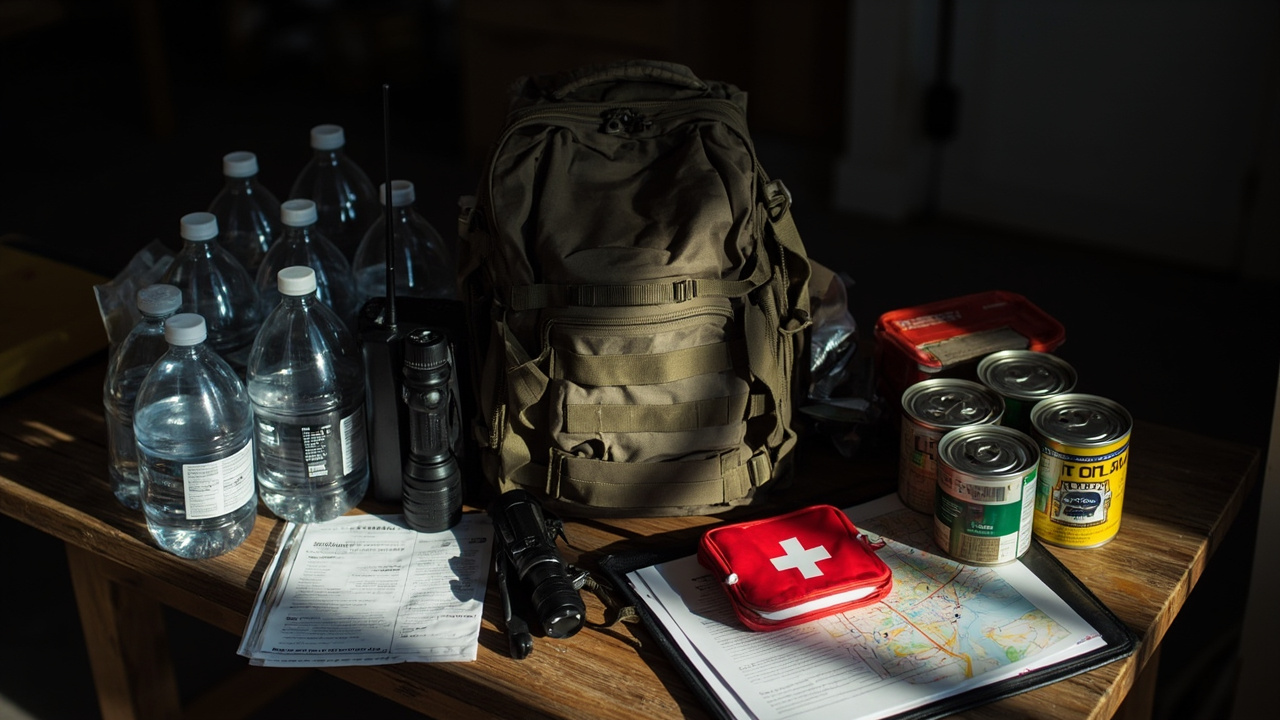
Households reviewing supplies can compare their own status with the broadest FEMA 2024 actions: supplies set aside, alerts and warnings sign-up, and homeowners or renters insurance. Households reviewing communication can compare a family-contact plan, a neighbor-communication plan, and safeguarding important documents. Households reviewing movement can compare having an emergency plan, knowing evacuation routes, and participating in a drill. Households reviewing money and property can compare money set aside, insurance coverage, and home improvements to mitigate damage. New Zealand's 2026 result adds a separate discussion check: 40% had regular household discussions about preparation. That discussion share can be checked alongside written plans and contact plans.
Sources referenced
- When disaster strikes, will your household have a plan? » National Emergency Management Agency (https://www.civildefence.govt.nz/about/news-and-events/news-and-events/when-disaster-strikes-will-your-household-have-a-plan)