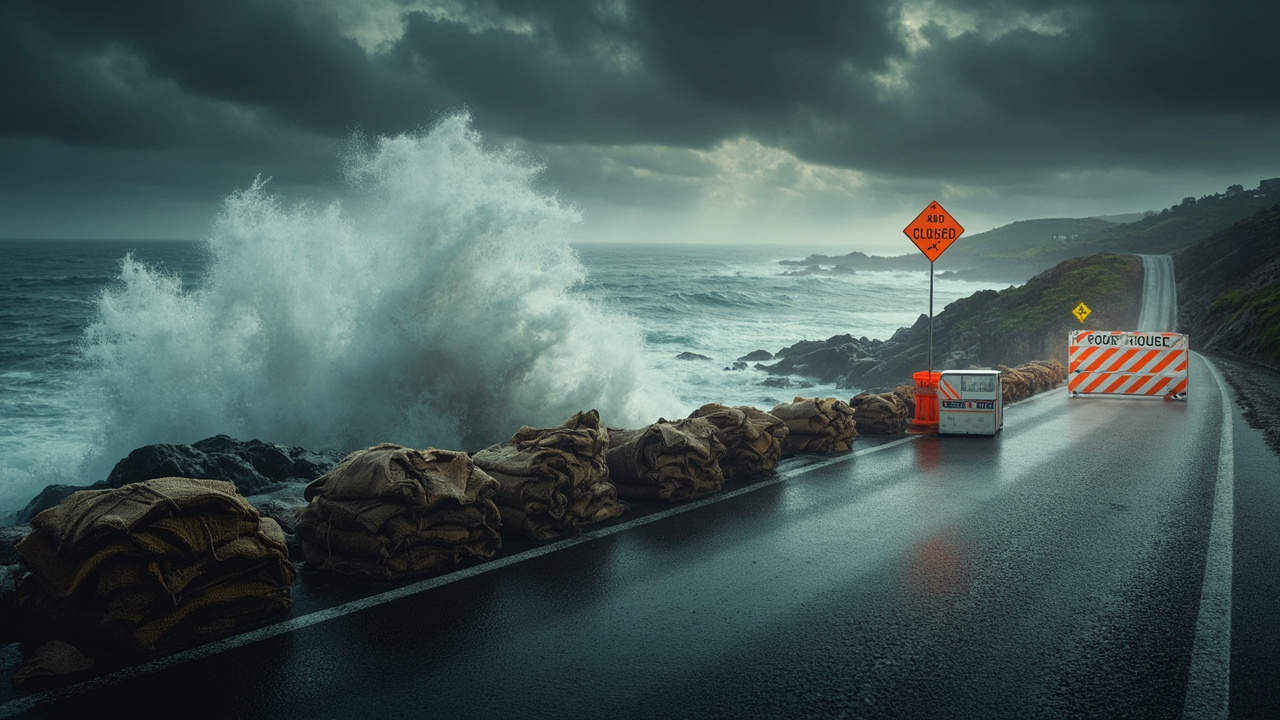
TL;DR: On Sept. 21, 2026, Gov. Gavin Newsom proclaimed a statewide state of emergency to stage resources before a forecast very strong El Niño winter, with San Diego city and county emergency managers moving to clear channels, pre-position flood supplies and urge household go-kits.
Emergency order puts California on early footing
Gov. Gavin Newsom proclaimed a statewide state of emergency on Monday, Sept. 21, 2026, to mobilize state resources ahead of potential winter storms and other El Niño impacts, according to the announcement titled Governor Newsom proclaims state of emergency to bolster statewide El Nino preparedness, protect California.
The proclamation directs state agencies to begin protecting vulnerable communities, preparing roads and critical infrastructure, staging emergency supplies and helping local partners reduce flood, landslide and coastal risks.
Newsom said in the announcement that California is strongest when residents look out for one another, and described the action as giving communities support, giving first responders tools for their jobs and giving families confidence the state is ready.
He also said the state is preparing early so every Californian can be safe at home, connected to community and protected when severe weather arrives.
The emergency step streamlines procurement and coordination so agencies can act before severe weather intensifies, rather than waiting for damage to occur.
Forecasters warn of record-strong event
The emerging El Niño event is already breaking records, and forecasters expect it to continue to strengthen, potentially becoming the strongest in recorded history.
Federal forecasters cited in the state announcement put the chance of a very strong event this fall and winter at greater than 90%, with a 75% chance it could reach historic strength.
El Niño is a natural climate pattern marked by warmer-than-average ocean temperatures in the tropical eastern Pacific, which can shift weather patterns and bring wetter, more intense winters to California.
The state announcement noted that climate change can intensify that pattern, citing a study published in the journal Science last month that found El Niño events are now more than 36% stronger than before the industrial era, with the trend accelerating over the last 40 years as the planet warms.
In plain terms used by the Governor's Office, the Pacific is unusually warm, and that warmth can shift storm tracks and load the atmosphere with more energy over the months ahead.
What San Diego faces this fall and winter
For California, the pattern can mean repeated rounds of heavy rain, strong winds, mountain snow, flooding, landslides, debris flows, large waves and coastal flooding, especially when storms arrive during very high tides.
That assessment was detailed in the state proclamation materials and summarized in reporting titled Newsom declares state of emergency ahead of El Niño season – NBC 7 San Diego.
Southern California in particular can potentially expect increased storms during the El Niño season, according to Laura Hollander of the state Department of Water Resources during a virtual media briefing Monday, as reported by NBC 7 San Diego.
Hollander said powerful storms bring coastal erosion, especially as strong storms make landfall, and flagged large waves predicted in November and December as a particular concern.
NBC 7 San Diego also reported that huge waves fueled by Hurricane Marie, which hit Southern California this month, could indicate the powerful effects of El Niño.
The weather pattern usually emerges every two to seven years and lasts nine to 12 months, according to officials cited by NBC 7 San Diego.
San Diego was already preparing since June
San Diego city emergency managers welcomed the state backing because local work had been underway for months, according to reporting titled Gov. Newsom declares state of emergency as San Diego braces for El Niño storms.
Dustin Ivers with San Diego's Office of Emergency Services said the City of San Diego has been working on El Niño preparedness since June.
Ivers said it is helpful to have the governor's backing for resources and planning and eventually, if needed, response and recovery work.
The state's Office of Emergency Services said it is working with local agencies including the San Diego County Office of Emergency Services to prepare for the storms.
San Diego Mayor Todd Gloria said city departments are already working together to prepare for potential flooding, coastal impacts, infrastructure challenges and other severe weather.
Gloria said the governor's action will help strengthen that work by making additional state resources available and helping communities move more quickly on preparedness efforts.
How the proclamation speeds local flood work
The proclamation directs state environmental and natural resources agencies to support local efforts to prepare for flooding, landslides and debris flows by fast-tracking permitting and identifying other ways to reduce delays.
That permitting relief matters for practical channel work, Ivers explained in the KGTV report, because clearing stormwater channels often requires multiple permits and sign-offs, especially environmental permits that go through the state.
Ivers said that assistance will be significant for getting work done before storms arrive and the work is needed.
California Natural Resources Secretary Wade Crowfoot said the state is cutting red tape and fast-tracking flood-protection and broader preparedness work communities need now.
Crowfoot said the state is mobilizing with partners to safeguard people, infrastructure and natural resources before the worst storms arrive.
Cal OES Director Caroline Thomas Jacobs said Cal OES is leading statewide efforts by bringing state and local partners together, conducting advance planning and identifying potential needs before impacts occur.
Equipment, Guard and highways staged in advance
The emergency proclamation orders state agencies to lead flood-risk-reduction efforts, stage flood-fighting supplies such as sandbags and pumps, and pre-position other critical equipment.
Caltrans will stage traffic-control, road-closure and snow-removal equipment along the highways most at risk.
Cal OES Director Jacobs said the proclamation gives the state the ability to move earlier, faster and with more focus, as quoted in the KGTV report.
Jacobs also said the state does not know today where every storm will hit hardest, but knows enough to prepare.
The California National Guard is preparing to support flood response, search-and-rescue, engineering and logistics missions when needed.
Jacobs said the Guard is ready with high-water vehicles, helicopters and search-and-rescue capability, and Caltrans is preparing highways and bridges at risk so people can still drive safely.
Alerts, evacuations and power-outage messaging
The proclamation directs the Governor's Office of Emergency Services, in consultation with relevant state agencies, to expand accessible, multilingual public preparedness communications.
Those communications cover severe weather, flooding, emergency alerts, evacuation readiness, power outages and related topics.
Jacobs warned residents not to underestimate floodwater, saying storms are among the deadliest disasters faced in California and that people underestimate the power of water, as reported by NBC 7 San Diego.
State officials described fast-changing conditions that can close roads with flooding or rockslides, cause power outages, cut off neighborhoods and damage homes and businesses with little time to react.
A specific dollar amount tied to the preparedness effort was not yet available, Brian Ferguson of Cal OES said, according to NBC 7 San Diego.
What households in San Diego should do now
State and city officials urged residents and homeowners to act now by knowing flood risk, clearing drains and gutters, signing up for alerts and making a plan before severe weather arrives.
Ivers urged San Diegans to make a plan for themselves or their families, including an emergency plan, building an emergency go-kit with supplies to get through an incident, and knowing where to go to stay informed before, during and after an incident.
Mayor Gloria encouraged every San Diegan to take steps now to prepare homes and families for severe weather, saying being prepared today can make a real difference when the next storm arrives.
The City of San Diego pointed residents to preparedness resources through Stay Ready, San Diego at sandiego.gov/elnino.
Residents can use that city resource to find local preparedness information tied to El Niño readiness.